

How Remote Patient Monitoring Can Improve Chronic Treatment Outcomes
Blood pressure readings matter, but chronic care needs the full pattern.
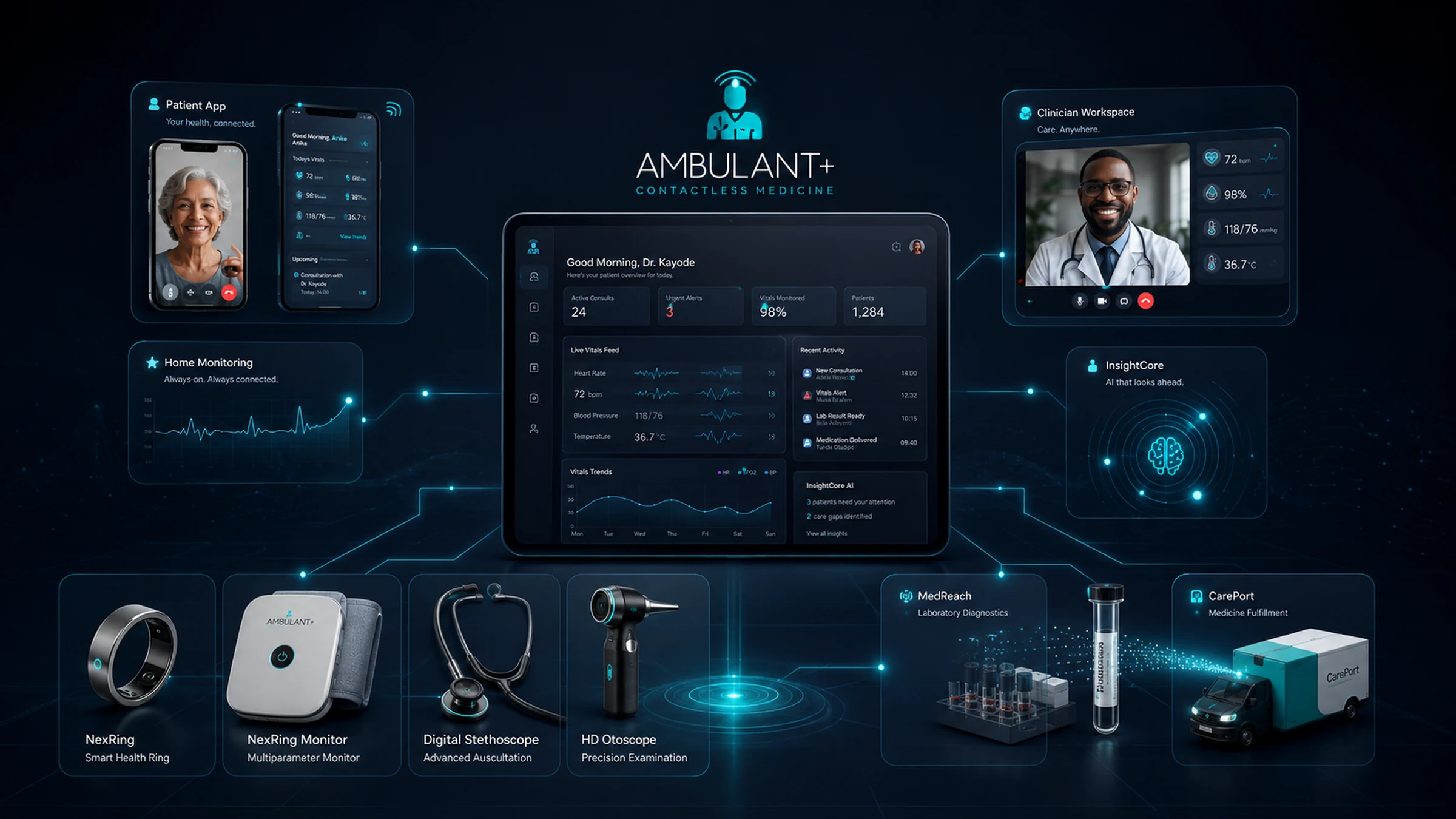
Remote patient monitoring can improve chronic treatment outcomes by combining vitals, medication adherence, sleep, activity, symptoms and treatment response into a more useful care picture.
A blood pressure reading is important, but it is not the whole story
When treating hypertension, a blood pressure reading matters. But if the reading is high, the next question is why. Did the patient take the medication? Did they sleep poorly? Did the treatment recently change? Are there side effects? Is stress high? Has activity dropped? Did the patient miss refills?
Remote patient monitoring becomes powerful when it helps clinicians and care teams see the pattern behind the reading.
Why chronic disease often fails between appointments
Chronic disease is not managed only inside the consultation room. It is managed every day through medication, sleep, diet, activity, monitoring, refills, symptoms and lifestyle decisions.
A patient may look stable during a review but deteriorate two weeks later. Another may have poor control because medication adherence failed rather than because the prescription itself was wrong. Without visibility, the care team may only discover the problem after complications appear.
Hypertension: the perfect example
If a patient starts a new blood pressure medicine, one reading cannot tell the whole story. The clinician may need to know whether readings improved across days, whether the patient took the medicine consistently, whether sleep deteriorated, whether side effects occurred and whether the patient needs earlier review.
A better chronic-care workflow combines blood pressure readings with adherence signals, sleep context, activity patterns and symptom reporting.
Blood pressure trends show whether control is improving.
Medication adherence shows whether the treatment plan is actually being followed.
Sleep context may help explain poor control or fatigue.
Activity trends may show lifestyle change or deterioration.
Remote follow-up can support earlier adjustment or counselling.
The same principle applies across chronic care
Diabetes care may benefit from glucose trends, adherence context, activity and diet-related prompts. COPD and asthma care may benefit from symptoms, oxygen saturation, digital auscultation and medication use. Cardiac follow-up may benefit from blood pressure, heart rate, weight, symptoms and adherence patterns.
The principle is the same: the more complete the pattern, the better the care conversation.
Why treatment changes need close monitoring
When a new treatment regimen is introduced, the first few weeks matter. The patient may misunderstand instructions, miss doses, experience side effects or fail to improve. Traditional care often waits until the next appointment to discover this.
Remote patient monitoring can shorten that delay. It can support earlier review, earlier education and earlier escalation.
The medical aid case is strong
For medical aids, chronic complications are among the most expensive events to fund. Preventing deterioration is not just compassionate; it is economically rational.
A remote monitoring programme that combines vitals, adherence, lifestyle context, diagnostics and clinician review can help identify risk before it becomes a high-cost claim.
How does remote patient monitoring improve chronic care?
It helps care teams see trends in vitals, adherence, symptoms and lifestyle context between appointments, allowing earlier intervention.
Why is medication adherence important in hypertension monitoring?
A high blood pressure reading may reflect missed medication rather than treatment failure. Adherence context helps clinicians interpret readings more accurately.
Can sleep affect chronic treatment outcomes?
Yes. Poor sleep can affect blood pressure, stress, recovery, energy and overall chronic disease management.