

Contactless Medicine, remote monitoring and healthcare infrastructure.
Read Ambulant+ perspectives on Contactless Medicine, telemedicine, remote patient monitoring, IoMT, integrated medical hardware, home diagnostics, medicine fulfilment, medical-aid preventive care and governance-aware digital health.
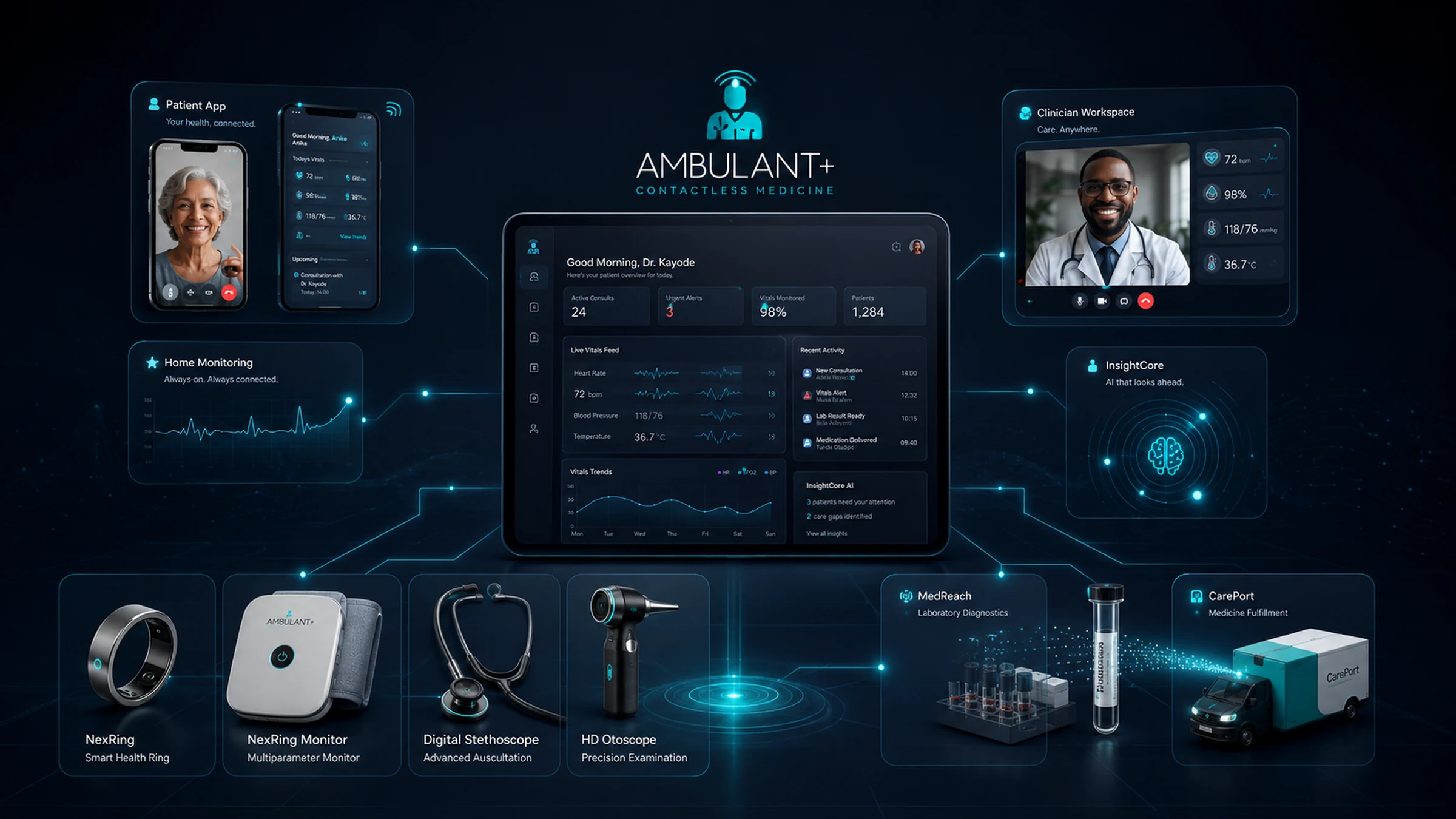
What Is Contactless Medicine?
Contactless Medicine is a clinician-led model of remote care that combines virtual consultation, connected medical devices, home diagnostics, medication fulfilment and governance-aware clinical intelligence.
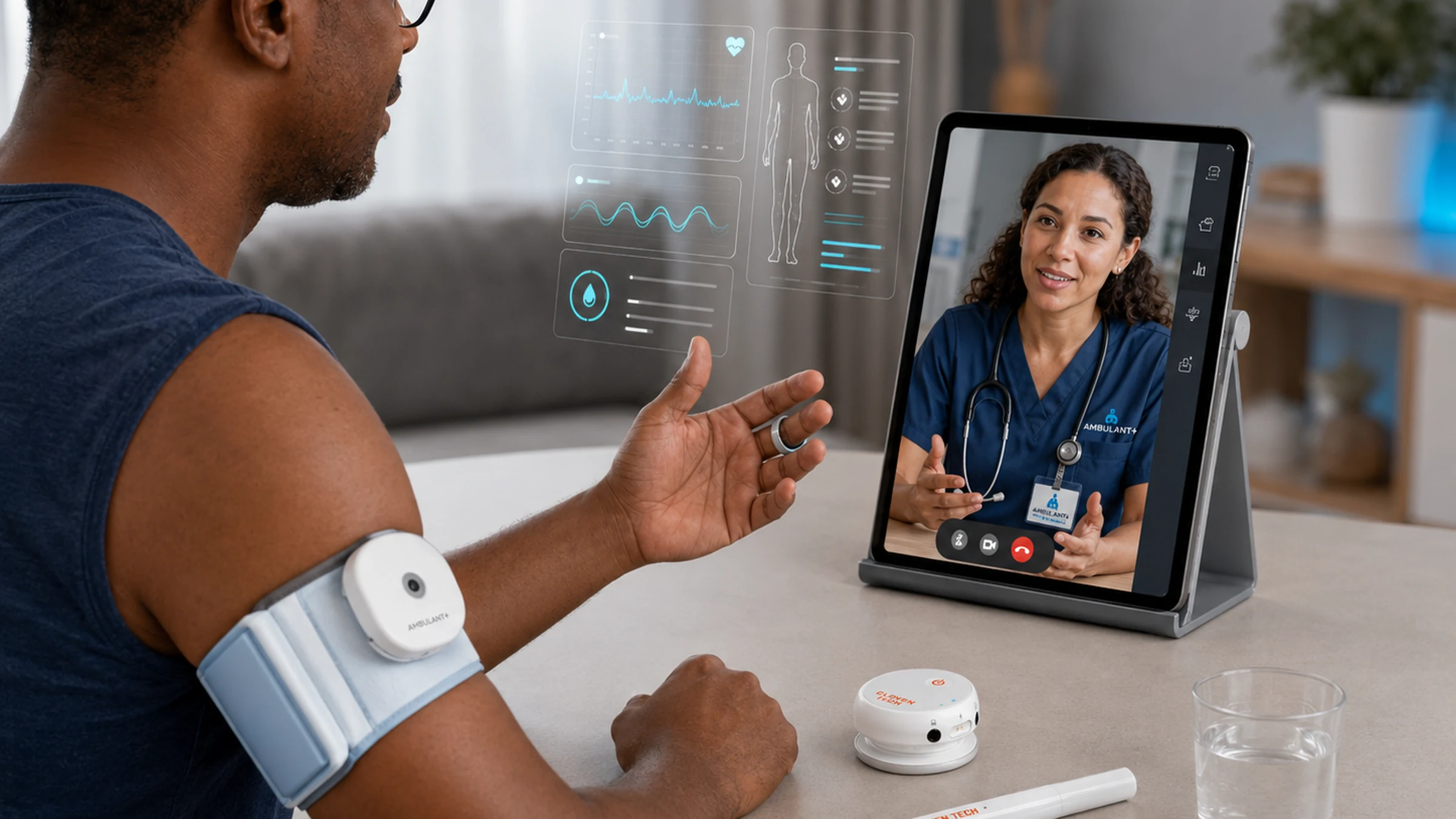
Contactless Medicine vs Telemedicine
Telemedicine improves access, but Contactless Medicine adds connected devices, remote monitoring, diagnostics, pharmacy fulfilment, adherence intelligence and governance-aware care workflows.
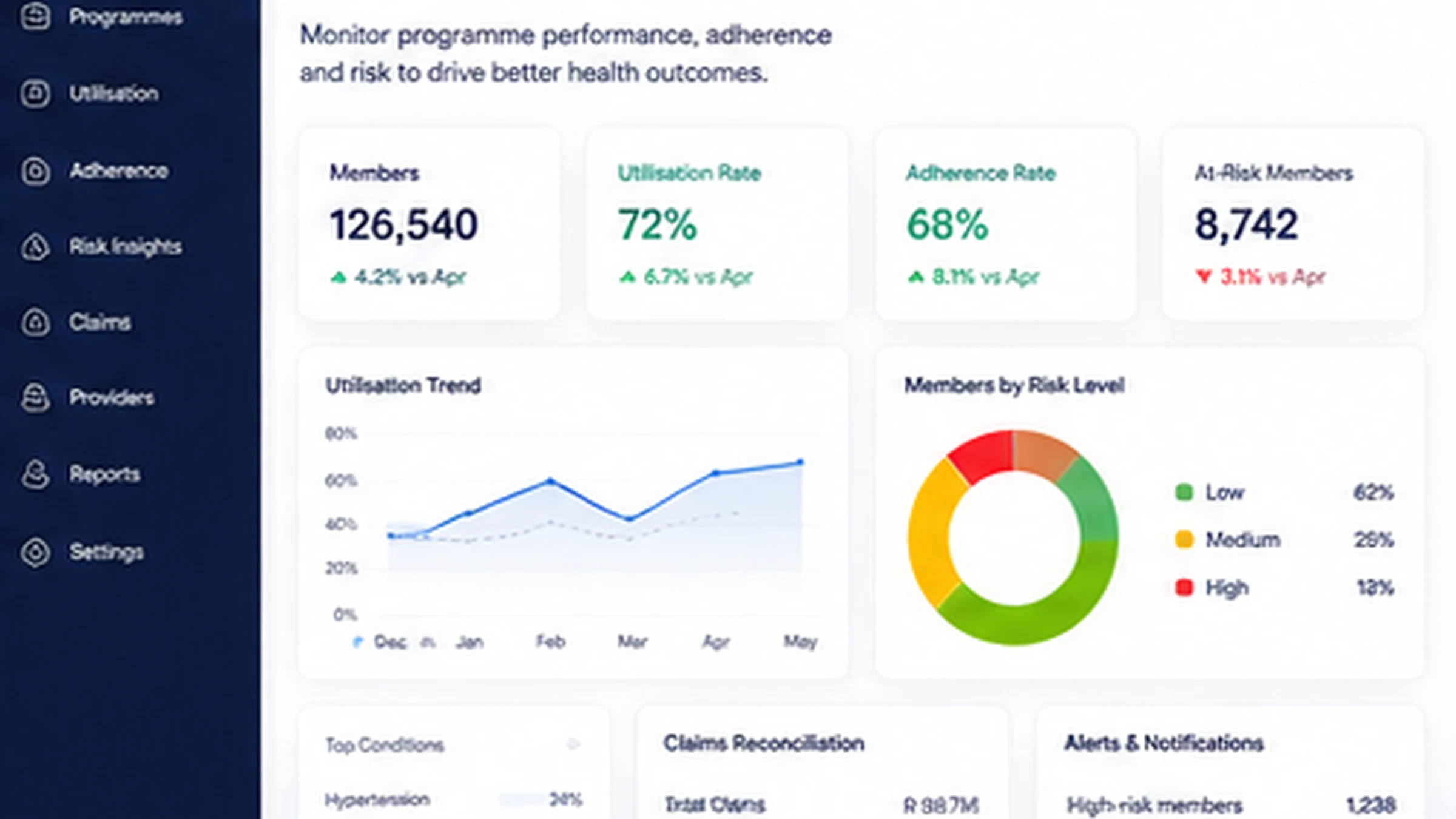
Why Medical Aids Should Invest in Remote Patient Monitoring
Remote patient monitoring helps medical aids, HMOs and sponsors identify risk earlier, support chronic-care continuity, improve adherence and reduce preventable high-cost complications.
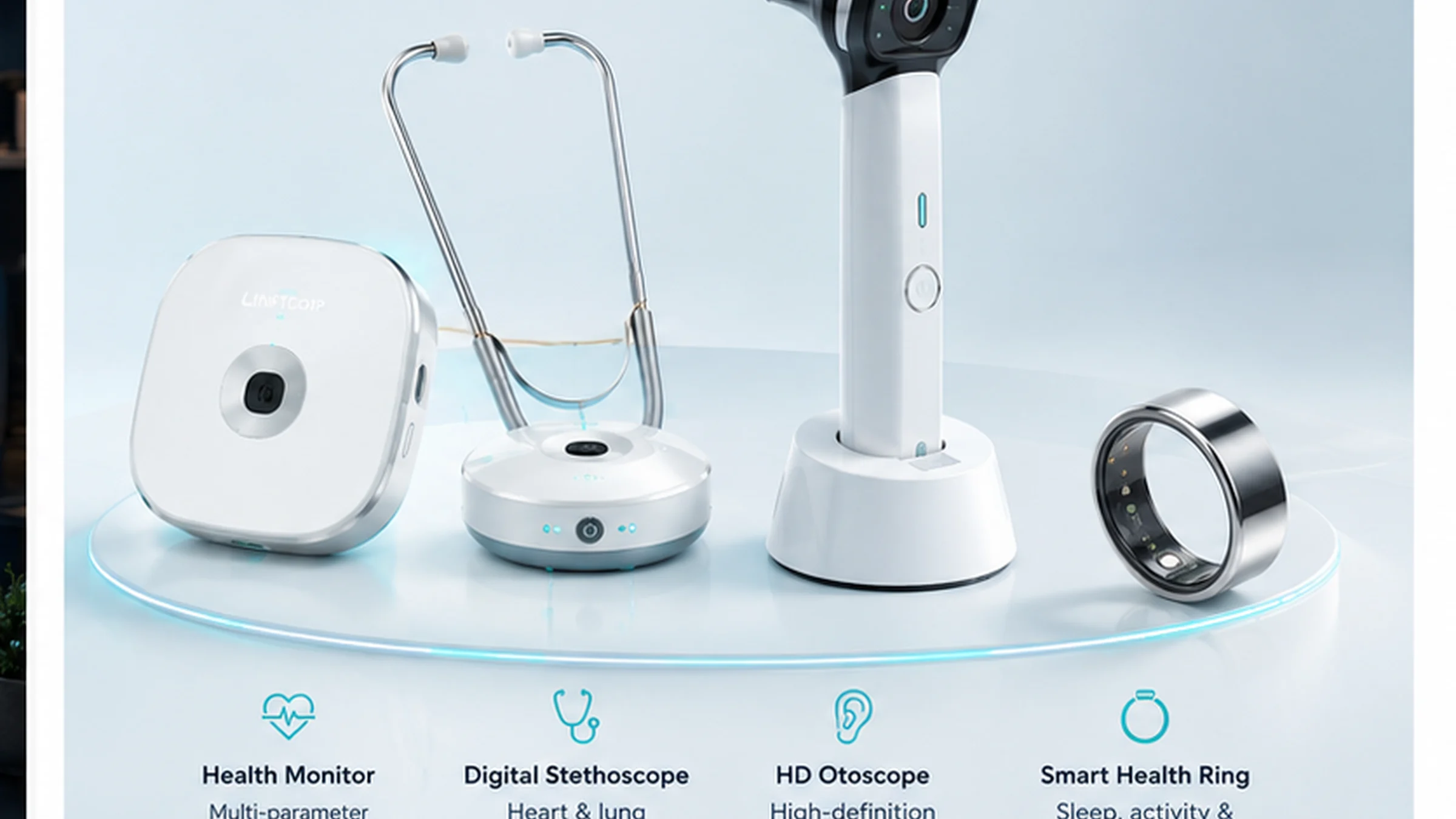
IoMT Devices for Remote Patient Monitoring
IoMT devices support remote patient monitoring by giving clinicians access to structured vitals, digital auscultation, visual assessment, longitudinal trends and care-context data during appropriate virtual care workflows.
Digital Stethoscope in Remote Consultation
A Digital Stethoscope can support remote consultation by allowing heart and lung sound capture for clinician review, helping device-supported virtual care move beyond symptom description alone.
Medical Aid Preventive Care and Remote Monitoring
Medical aids, HMOs and corporate sponsors can use remote monitoring, medication adherence, home diagnostics and care-pathway intelligence to support preventive care and reduce avoidable deterioration.
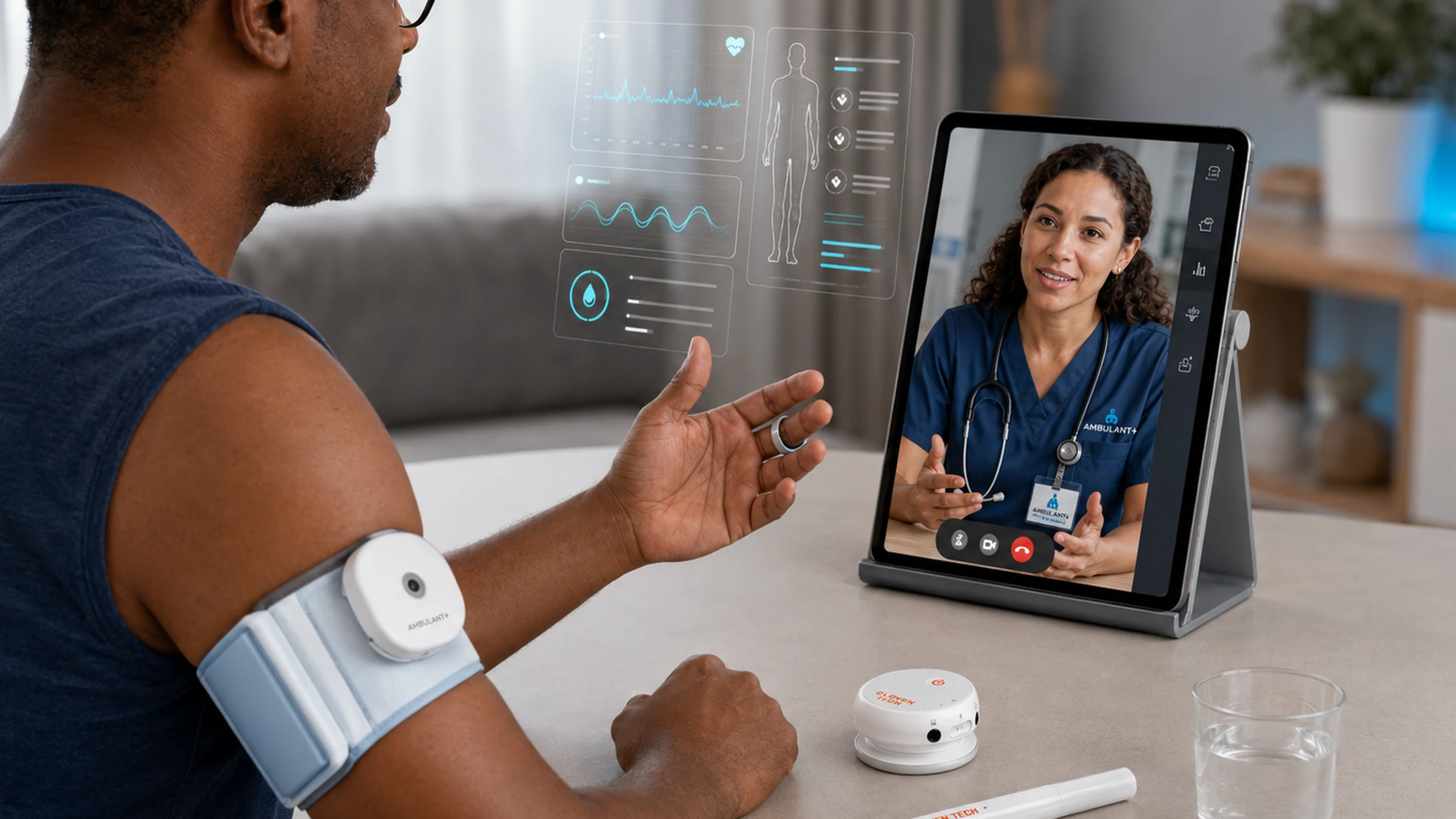
Continuous Vitals Monitoring for Chronic Care
Continuous vitals monitoring and structured remote patient monitoring can help chronic-care programmes detect deterioration earlier, improve follow-up and support clinician-led intervention.
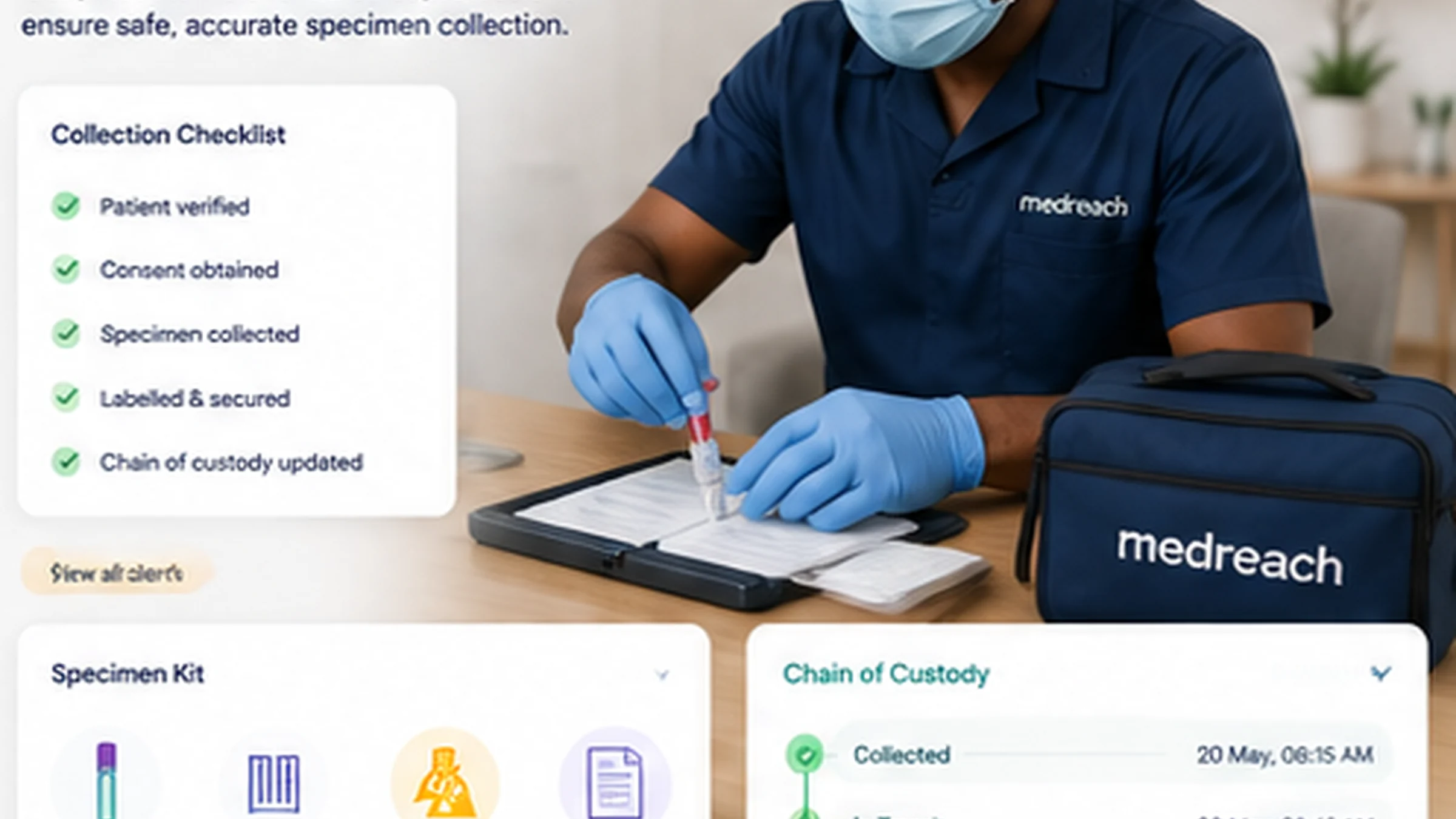
Home Phlebotomy and Laboratory Workflows
Home phlebotomy and laboratory coordination can reduce missed diagnostic testing, improve chronic-care follow-up and support specimen traceability through governed MedReach workflows.
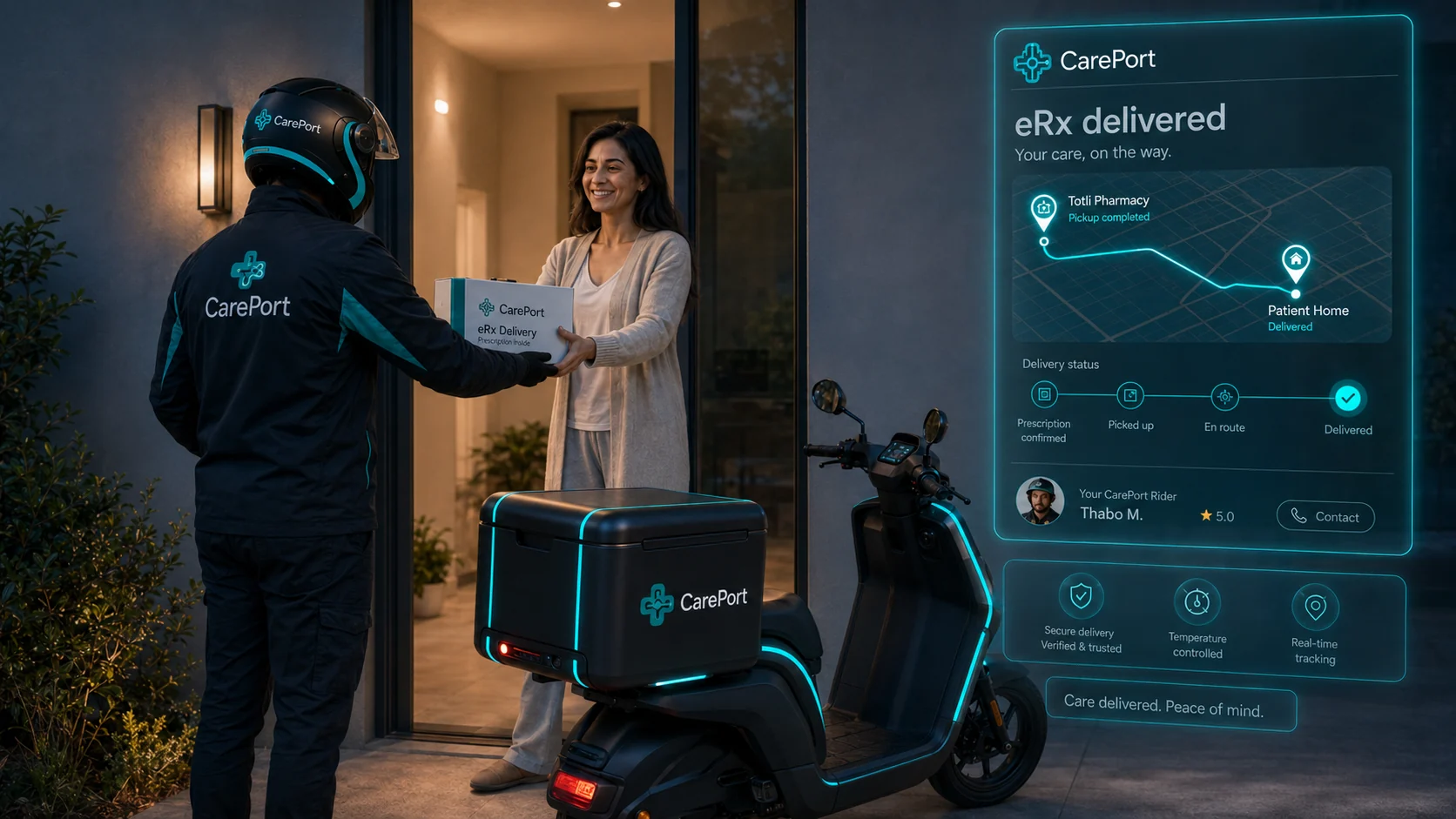
Medicine Delivery and Prescription Adherence
Prescription adherence depends on more than issuing medicine. CarePort supports medicine continuity through pharmacy fulfilment, eRx coordination, reminders, proof-of-delivery and adherence workflows.
Remote Jobs, Rural Living and the Healthcare Access Gap
Remote jobs are changing urban-rural migration patterns, but healthcare access remains a major reason people still feel forced into cities. Contactless Medicine can help make rural, peri-urban and smaller-town living safer and more realistic.
Why Live Auscultation Matters During Virtual Consultations
Live auscultation during virtual consultations can support remote review of asthma, COPD, pneumonia, heart symptoms and treatment response by allowing clinicians to capture, replay and compare heart and lung sounds.
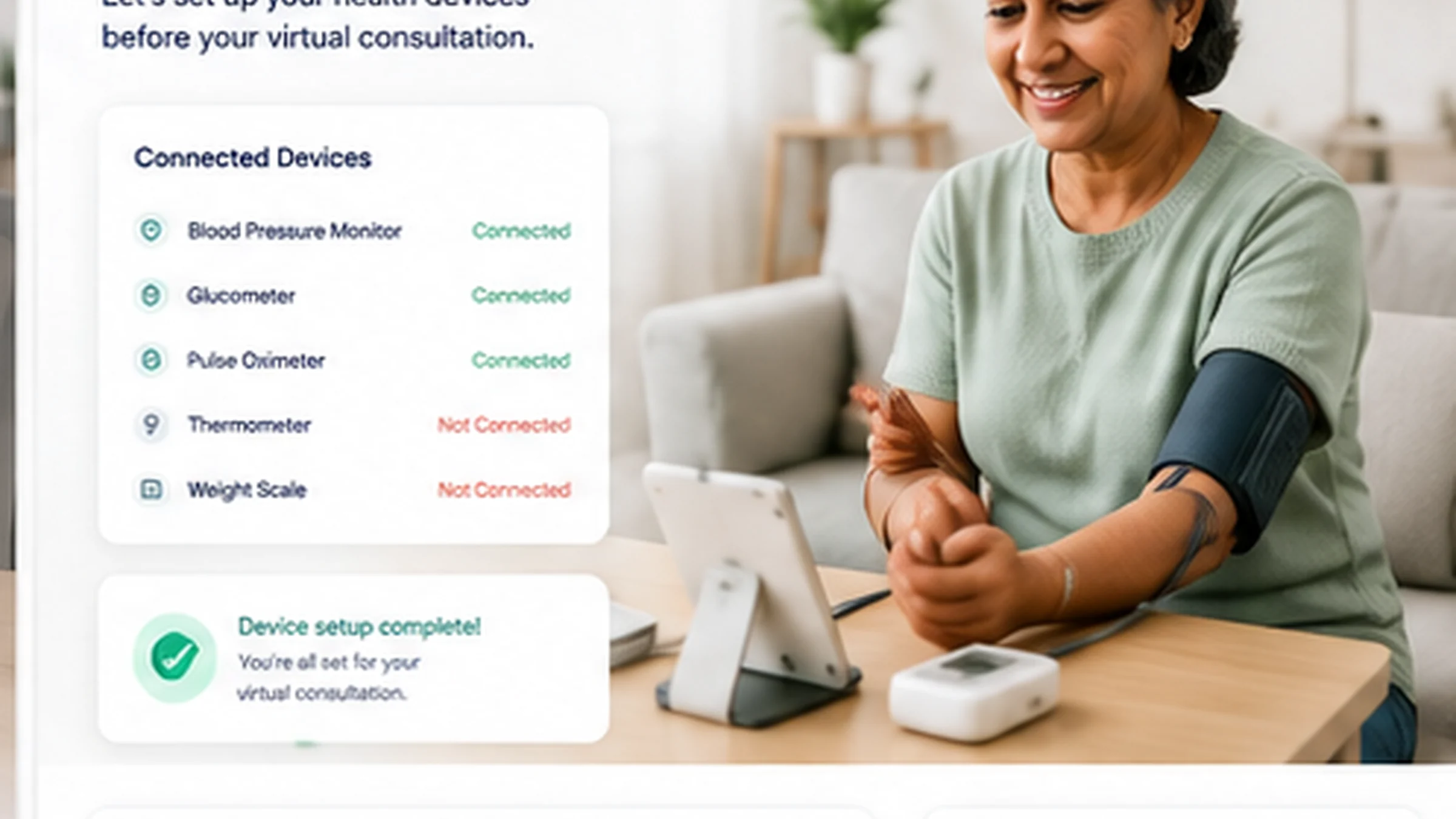
The Hidden Cost Savings of Contactless Medicine
Contactless Medicine can reduce hidden healthcare costs such as transport, petrol, taxi fares, parking, tolls, waiting time, missed work and delayed intervention.
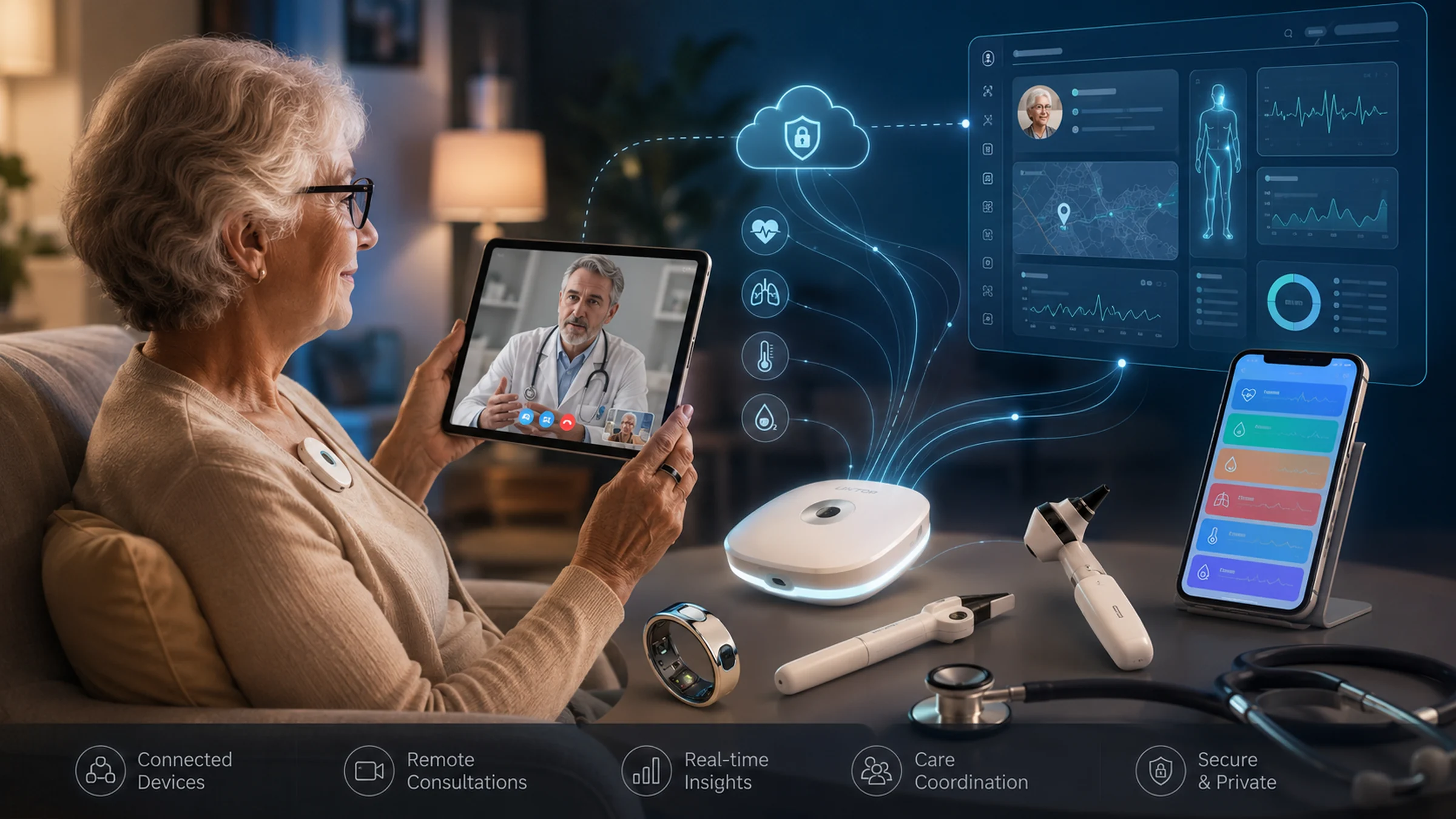
Remote Care Saves More Than Travel Time
Remote care can save travel time, waiting-room time and caregiver time, making it easier for patients to attend consultations, complete follow-up and stay engaged in care.
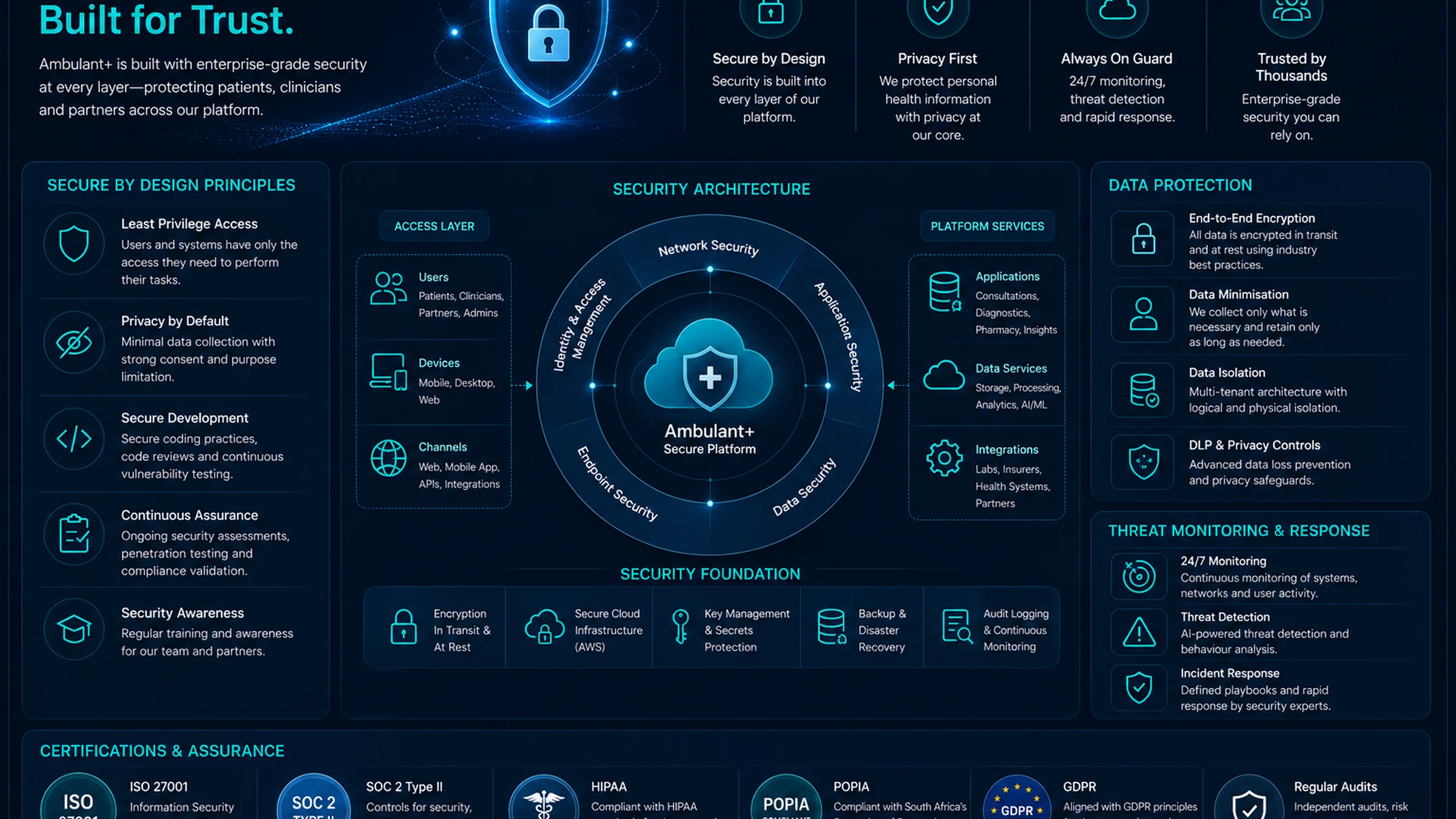
Contactless Medicine and Infection Exposure
Contactless Medicine can support care during outbreaks, isolation periods and high-risk exposure scenarios by preserving clinical access while reducing unnecessary contact.
How Remote Patient Monitoring Can Improve Chronic Treatment Outcomes
Remote patient monitoring can improve chronic treatment outcomes by combining vitals, medication adherence, sleep, activity, symptoms and treatment response into a more useful care picture.
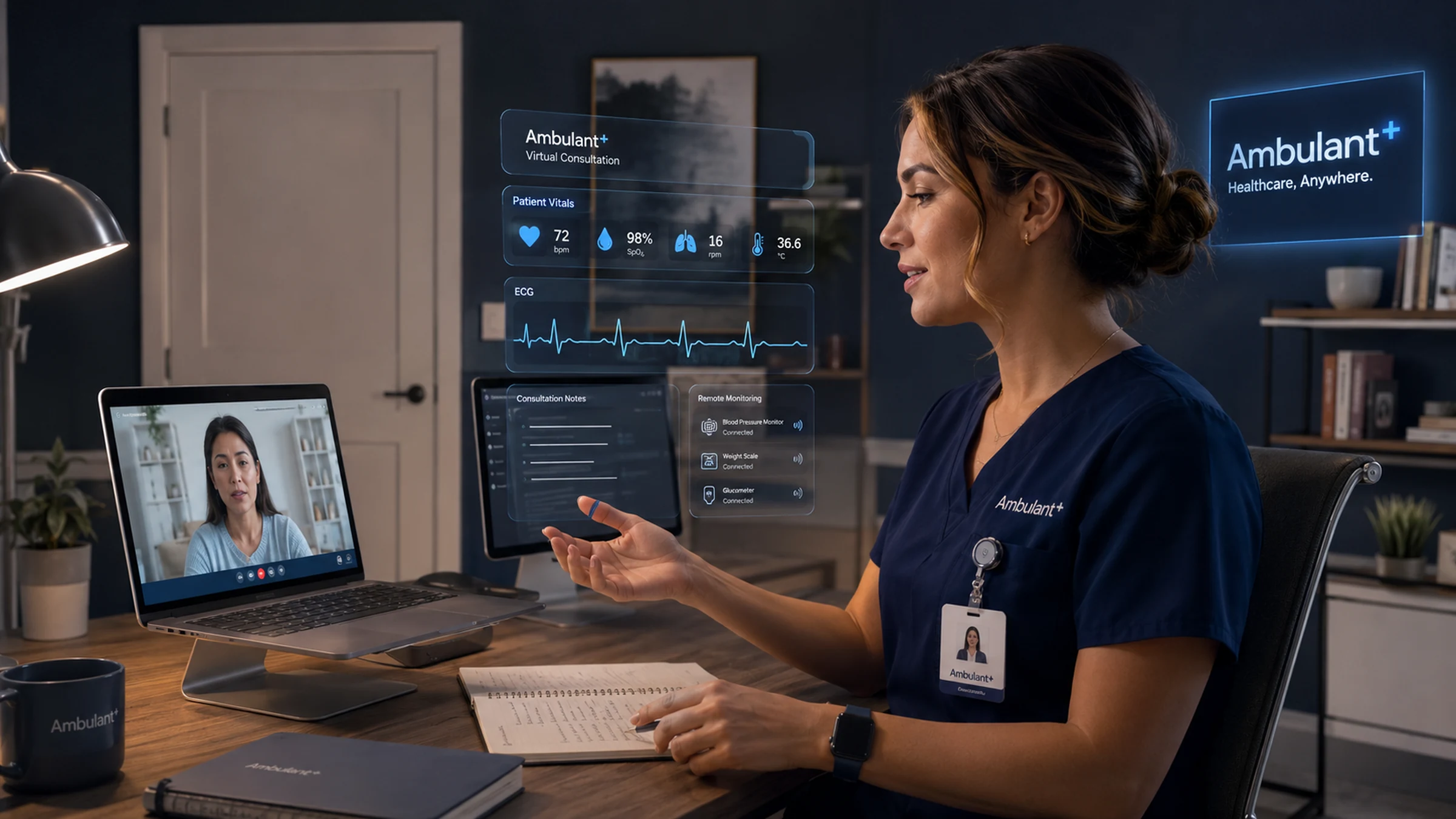
Contactless Medicine Gives Clinicians a Safer, More Flexible Way to Practise
Contactless Medicine can help clinicians practise more flexibly, reduce unnecessary exposure, support remote consultation and remain clinically useful through connected medical devices.
How Contactless Medicine Can Protect Care During the Next Pandemic
Contactless Medicine can help preserve clinician-led care during pandemics, outbreaks and infectious-disease surges by combining remote consultation, connected medical devices, home diagnostics, medicine delivery and governed escalation.
Why Telemedicine Alone Is Not Enough for Chronic Disease Management
Telemedicine improves access, but chronic disease management needs more than video consultation. Ambulant+ combines remote monitoring, connected medical devices, adherence workflows, home diagnostics and clinician-led review to support better chronic-care continuity.
Remote Patient Monitoring for Hypertension: Beyond Blood Pressure Readings
Hypertension care needs more than isolated blood pressure readings. Remote patient monitoring can combine BP trends, medication adherence, sleep, lifestyle signals and clinician-led review to support earlier intervention and better chronic-care outcomes.
How Medical Aids Can Reduce Avoidable Claims Through Early Intervention
Medical aids, HMOs and corporate sponsors can reduce avoidable claims by investing in early intervention, remote monitoring, home diagnostics, medication adherence, care navigation and preventive digital health infrastructure.
Medication Adherence: The Hidden Cost Driver in Chronic Care
Medication adherence is one of the most important hidden cost drivers in chronic care. Ambulant+ and CarePort can support eRx fulfilment, reminders, proof-of-delivery, adherence visibility and medicine continuity.
Corporate Wellness Is Moving From Gym Discounts to Clinical Prevention
Corporate wellness is moving beyond gym discounts and lifestyle posters. Employers and sponsors can use remote monitoring, virtual care, medication adherence, home diagnostics and preventive programmes to support healthier workforces.